
Student Competition
HUB it! – HUBnij to!
II edition
Organizers
Sponsor nagrody za I miejsce
Sponsor nagród za II i III miejsce
Patroni medialni
Introduction
The city today is no longer a finished project or a closed structure. Increasingly, it is perceived as a process – a dynamic system of relationships between people, the environment, and infrastructure that is constantly evolving. Contemporary urban agglomerations face challenges related to mobility, climate change, the quality of public spaces, and the need to build stronger local communities.
In this context, the traditional approach to urban planning and infrastructure proves insufficient. Designing a city is no longer solely about giving space a permanent form, but about creating frameworks for processes that allow the city to adapt to changing social, environmental, and technological conditions. Innovation, locality, and participation today mean the ability to respond to change and sensitivity to the specificity of place.
Mobility infrastructure is gaining particular importance in this context. Mobility HUBs are no longer just transfer points – they can become places for meetings, integration, and everyday activities. When properly designed, they have the potential to revitalize parts of the city, strengthen social ties, and improve the quality of public spaces.
Designing such places requires both new tools and a new sensitivity: analysis of data and local community needs, but also moderation and respect for the environment and the rhythm of city life. Flexible, adaptive solutions rooted in the local context are playing an increasingly important role.
The “HUB it! – HUBnij to!” competition invites participants to seek such solutions. This year’s edition focuses on mobility HUBs as shared spaces – integrating residents and activating selected urban areas. The competition is addressed to students of architecture, urban planning, and design, interested in creating new models of mobility infrastructure for contemporary cities.
Design Task
For a selected area within an urban agglomeration, propose a concept for a mobility HUB understood as a shared urban space.
- indicate the HUB location along with an analysis of the urban and social context,
- define the role of the facility as part of the mobility system and as a place integrating residents,
- specify the functional, spatial, and programmatic parameters of the proposed solution.
The mobility HUB should combine transport functions (e.g., integration of different forms of mobility) with social, recreational, service, or cultural functions. The designed facility should be perceived as an active part of the city – a place that builds relationships, fosters interaction, and enhances the quality of public space.
The aim of the task is to explore solutions in which mobility infrastructure becomes a tool for shaping attractive, inclusive, and vibrant urban spaces.
The project may include, among others:
- meeting and relaxation zones,
- shared functions and local activities,
- greenery elements and environmentally friendly solutions,
- flexible and adaptive strategies for the use of space.
The HUB should respond to the needs of various user groups, taking into account the diversity of mobility patterns and the dynamic nature of the contemporary city.
Evaluation Criteria
The jury will evaluate the projects in particular based on:
- the quality of integration between mobility functions and shared space,
- the appropriateness of the chosen location and context analysis,
- the architectural and urban value of the solution,
- the creativity and innovativeness of the concept,
- the adaptability and flexibility of the space,
- consideration of the needs of various users, including people with special needs,
- integration of greenery and pro-environmental solutions,
- implementation potential within Polish conditions.
Required Submission Materials
1 | One board (70×100 cm, vertical layout) including:
- an ideogram of the HUB concept within the city structure,
- a concise presentation of the design and its surroundings,
- diagrams explaining the relationships between mobility functions and shared space,
- basic programmatic and spatial assumptions.
When composing the board, include 2.5 cm margins and place the project title in the upper left corner, as well as a QR code and anonymity code in the lower right corner. The QR code should not exceed 5.0 × 5.0 cm and must contain a link to the film.
Boards mounted on a rigid backing (foam board or cardboard) should be sent to the address indicated by the Organizer, together with an envelope marked with the anonymity code. The code should consist of a sequence of letters and/or numbers, max. 8 characters.
The sealed envelope should contain the repeated code along with the authors’ names and surnames, as well as a USB drive with the film/animation and a digital version of the board in A3 format (TIFF or JPG, 300 ppi).
Prace konkursowe prosimy przesyłać na adres:
Organizer’s Address
Centrum Nowej Mobilności
ul. Fabryczna 5A
00-446 Warszawa
Poland
2 | Film/animation published online
Maximum duration: 2 minutes, horizontal format.
The film should illustrate the main idea of the HUB as a shared space and its impact on urban life and social relations.
Participation
Participants may include students of architecture faculties as well as artistic and design programs. Each team must include at least one student of Architecture.
A team may consist of up to 3 members. Participation is also open to individuals who have completed their studies but have not yet defended their master’s thesis, as well as students on academic leave.
Participation requires registration on the competition website:
and submission of the work within the specified deadline and scope.
Competition entries can be submitted from May 11, 2026, to July 31, 2026 until 5:00 PM either in person at the Organizer’s office between 9:00 AM and 5:00 PM or by mail, after prior registration on the KNM website » Register!
Organizer’s Address
Centrum Nowej Mobilności
ul. Fabryczna 5A
00-446 Warszawa
Poland
Awards
The organizer has set the following prizes:
- 1st place – PLN 7,000
- 2nd place – PLN 3,000
- 3rd place – PLN 1,000
- Two additional honorable distinctions
- The title of the Best Project, as voted by the KNM audience
The winning projects will also be presented at the New Mobility Congress in Katowice.
Lauraci konkursu HUB it! – HUBnij to!
Poznaj zwycięzców konkursu i nagrodzone prace
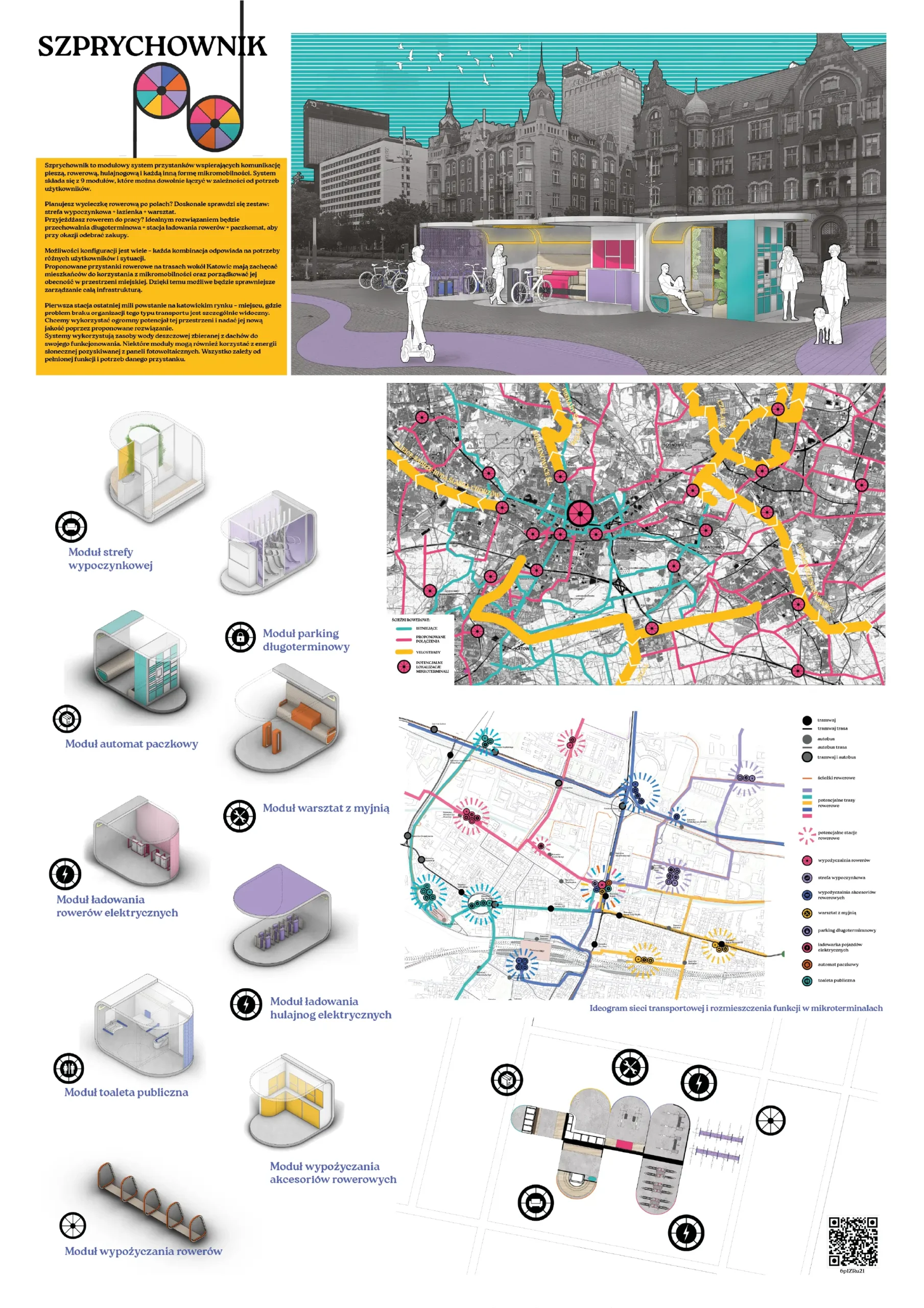
1. miejsce + Nagroda publiczności
Szprychownik
Olga Partyka
Paulina Żyła
Matylda Dubaniowska
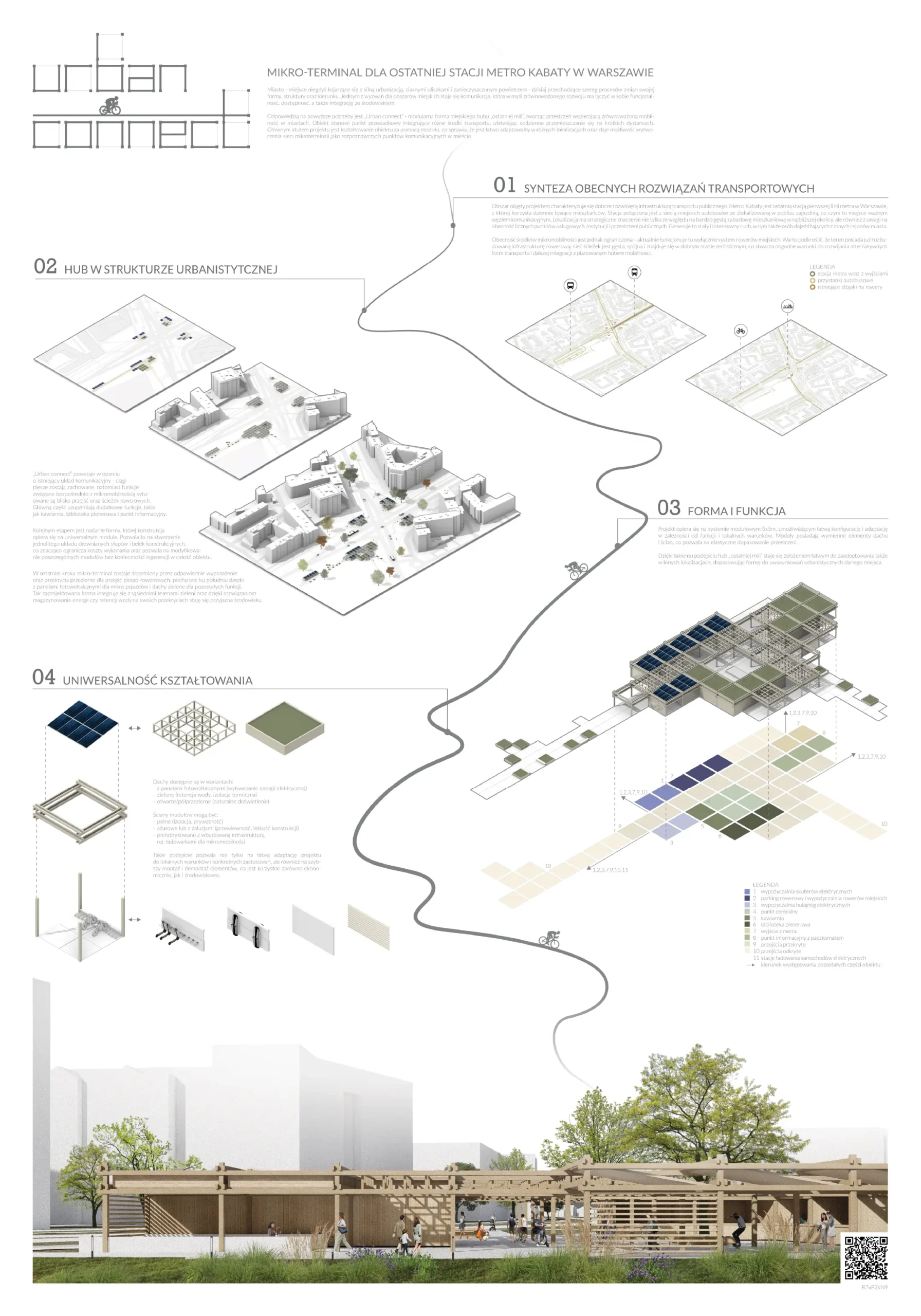
2. miejsce
Urban Connect
Krystian Brynda
Zuzanna Ryś
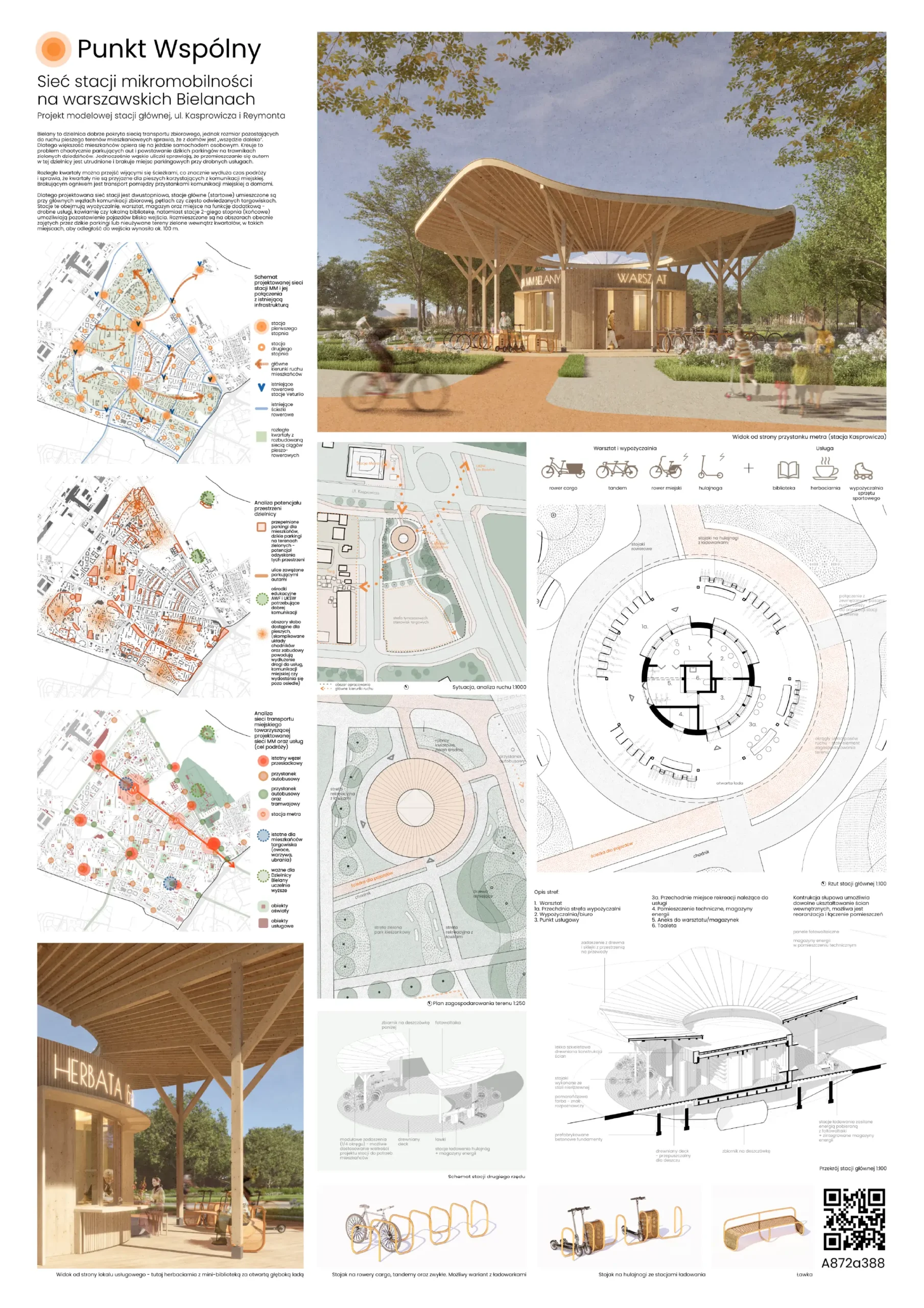
3. miejsce
Punkt Wspólny
Agnieszka Kabała
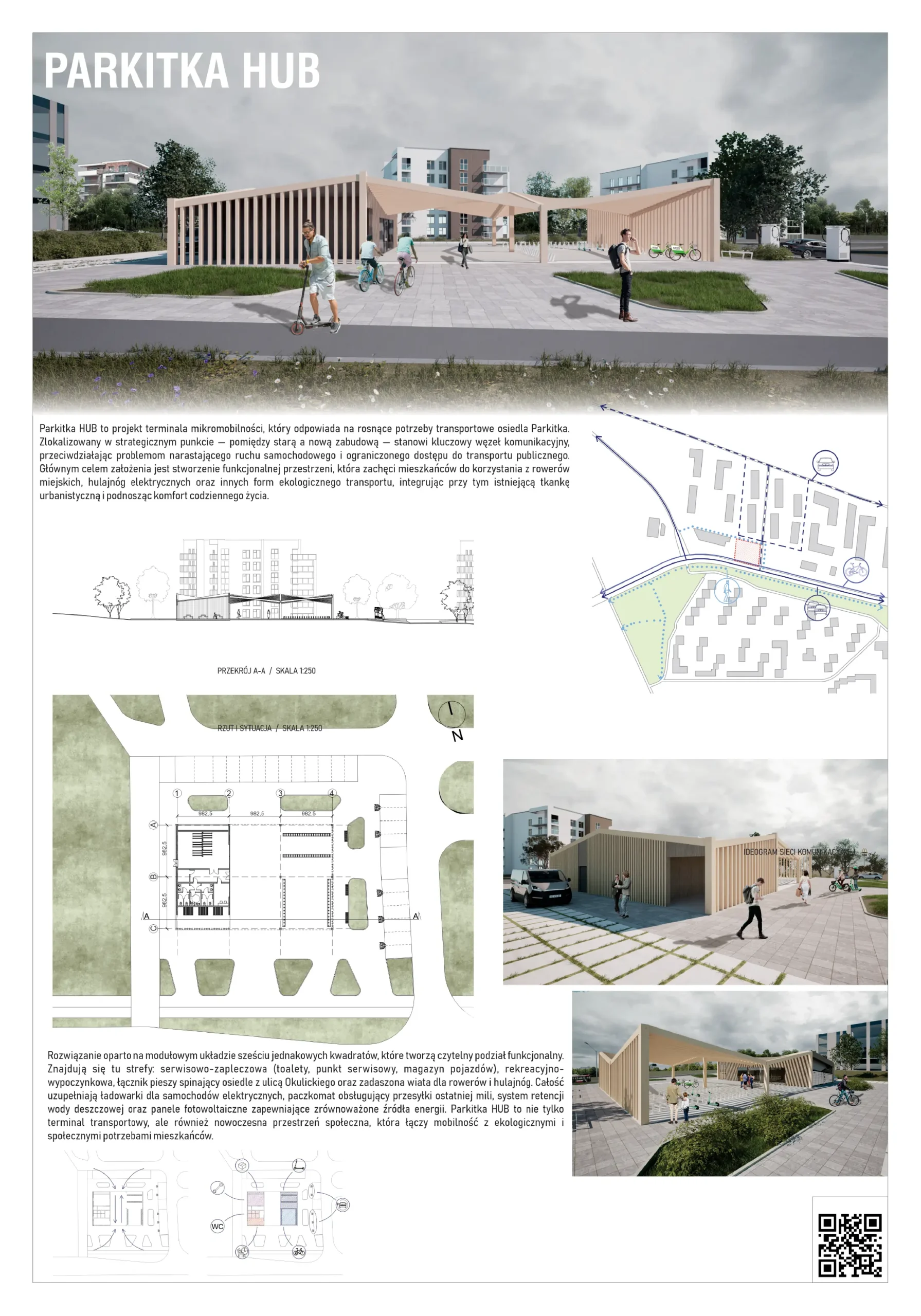
Wyróżnienie
PARKITKA HUB
Piotr Starczewski
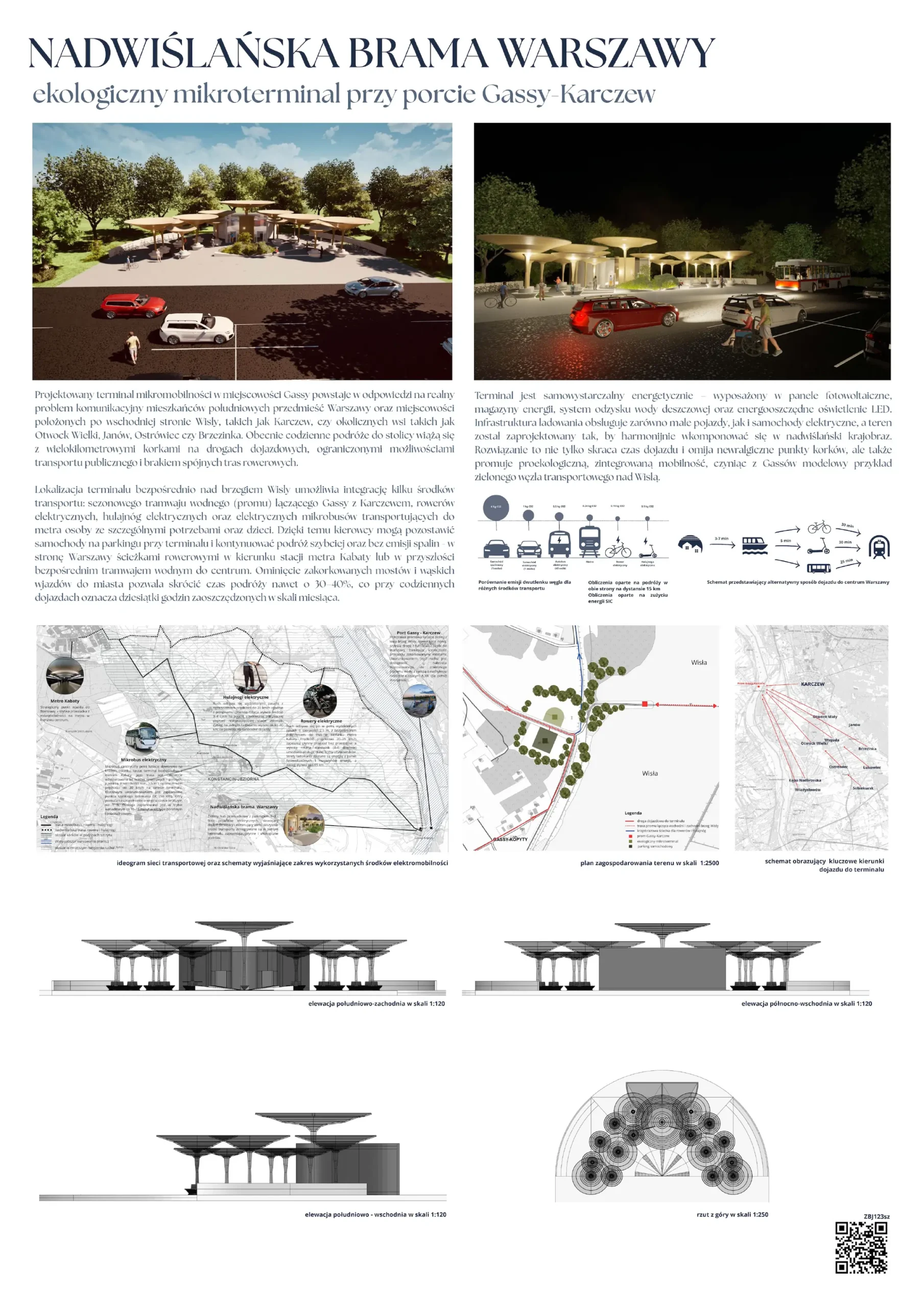
Wyróżnienie
Nadwiślańska Brama Warszawy
Julia Włodarska
Zuzanna Wojciechowska
Bartosz Szemro
The Competition Jury
The competition jury consists of:
- experts in the fields of architecture, urban mobility, and urban planning,
- representatives of academia and public institutions,
- representatives of the organizer and industry partners.
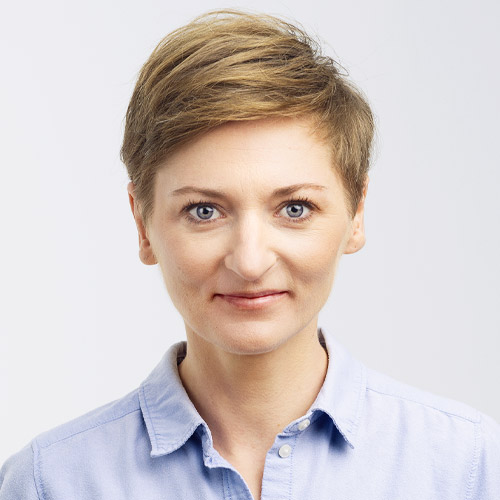
Agata Wojda
Experience
For years, Agata Wojda has been consistently building a vision of a modern and smart city, focusing on innovative solutions in the field of urban mobility.
An experienced local government official. Her track record includes concrete initiatives—ranging from the development of cycling infrastructure to investments in zero-emission public transportation and the creation of comprehensive transportation solutions for residents.
Areas of expertise
- Bicycle infrastructure
- Zero-emission public transport
- Comprehensive urban transport solutions
Achievements
Winner of the Smart City Awards in the “Person of the Year” category.


Oskar Zięta
Experience
Dr. Architect, Engineer at ETH Zurich, designer. Author of an innovative technology for creating light and durable steel structures – FiDU, which he has been developing since 2005. Owner of the award-winning “Zieta” brand, as well as the “Ultre” brand – new urban mobility vehicles.
Oskar Zięta’s interdisciplinary endeavors seamlessly combine design, engineering and bionics. Each of his projects is a detailed study of the properties of metal, techniques for its stabilization and form optimization. The foundation of Oskar Zięta’s achievements is his original method of forming steel using internal pressure, FiDU (Ger.
Freie Innendruck Umformung). In 2025, two decades after the first steel manifestos, Zięta presents a groundbreaking FiDU application in new mobility, a durable ultra-light tool of the future – the Ultre 4 Cargo™ vehicle.
Areas of expertise
- Architecture and design
- Engineering and bionics
- Steel processing using the FiDU method
- New urban mobility vehicle
Achievements
Oskar Zięta’s activities have been awarded many times with the most important distinctions, including: Red Dot Design Award, Audi Mentor Preis, Must Have, and Schweizer Design Preis. Oskar Zięta has collaborated with brands such as Audi, Architonic, Rado and Pirelli.
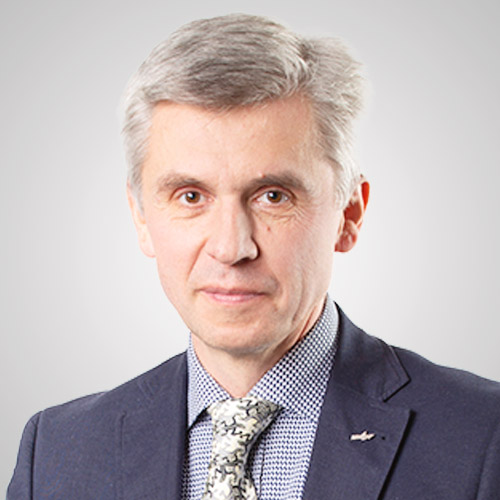
Jan Słyk
Experience
Associate Professor, Doctor of Engineering (Habilitation), Architect; Vice Rector for Academic Affairs at the Warsaw University of Technology. Director and co-author of the program for international experimental workshops in Florence (2005) and Trondheim (2006).
Major design projects and completed works (as lead architect or co-architect): residential building at Radiowa Street, 1997–1999 (completed), residential buildings at Bolesławicka Street, 1997–1999 (completed), infill buildings: office and residential building at Wiktorska Street, 1997–2001 (completed), infill residential and commercial building at St. Vincent Street, 1997–2000 (completed), residential and commercial complex, Kondratowicza, Rembielińska, and Poborzańska Streets, 1998 (completed), residential complex at Relaksowa Street, 2001 (completed), residential and commercial complex at Piłsudskiego Street in Legionowo, 2001 (completed); office building and logistics center for Podlasie S.A., 2003 (completed); residential complex at 13 Sarmacka Street, 2004 (completed); a residential complex with commercial facilities at Sowińskiego Street in Legionowo, 2004; a residential complex at 15 Sarmacka Street, 2005; a school complex at Gładka Street, 2005; a residential complex at Sobieskiego Street, 2007.
Areas of expertise
- Architecture
- Digital design
Achievements
The winner of numerous industry and academic awards, including the “Golden Chalk” award in the category of best lecturer, as well as the Third-Class Award from the Minister of Construction for the development of a residential complex in Wilanów (as part of a team, 2007).
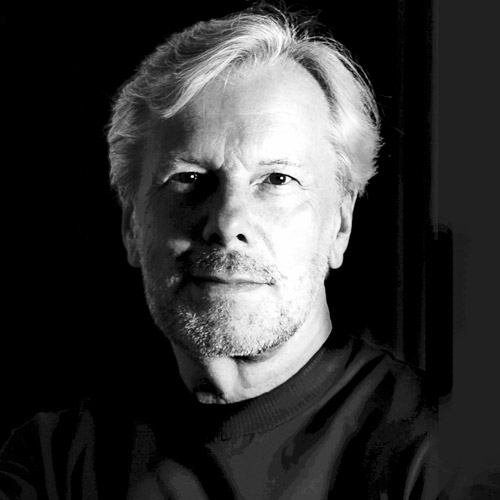
Piotr Kuczia
Experience
An architect active on the international stage, and an expert in solar and energy-efficient architecture. His projects have been extensively published in over 70 books and hundreds of magazines across five continents, and have been featured in exhibitions in many countries in Europe and Asia. He is the author of the book “Educating Buildings,” published in Germany, and numerous publications on architecture. He has lectured in Poland, Germany, the USA, and Japan. He is the initiator and curator of the prestigious “Design Educates Awards” competition, as well as a jury member in numerous competitions.
Areas of expertise
- Solar architecture
- Energy-active architecture
Achievements
Winner of over 60 international awards, including top honors in competitions such as the German Design Award, A’Design Award, Iconic Awards, Architecture MasterPrize, New York Design Awards, and International Architecture Awards.
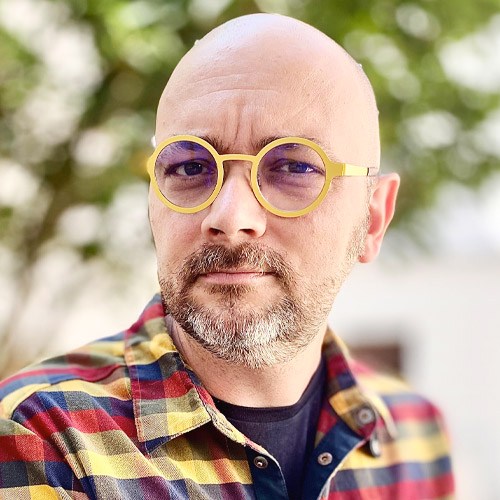
Filip Springer
Experience
Writer and photographer. A graduate of archaeology at Adam Mickiewicz University in Poznań and a fellow of the VII Agency Masterclass in Milan. Author of books on space and architecture. Recipient of scholarships from the National Center for Culture and the Ryszard Kapuściński “Herodot” Foundation. His books have been translated into English, German, Russian, and Hungarian. Co-founder of the School of Ecopoetics (together with Prof. Julia Fiedorczuk), initiator and co-founder of the literary Festival po Drodze. Curator of the Migawki photography project. Photographic Archive of Revitalization.
Areas of expertise
- Urban Space and Architecture
- Photography
- Photojournalism
Achievements
His debut book, “Miedzianka: A History of Disappearance” (2011), was nominated for the Nike Literary Award, the Ryszard Kapuściński Award, the Gdynia Literary Award, and the Angelus Central European Literary Award.
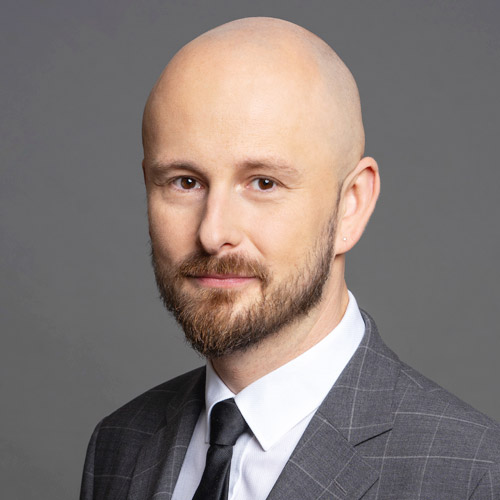
Paweł Jaworski
Experience
He focuses on the country’s adaptation policies, the climate and environmental dimensions of urban policy, and the development of green technologies. An urban planner with many years of experience in spatial planning and the design of changes to public spaces, he has received awards in competitions organized by the European Commission and the Association of Polish Urban Planners.
Areas of expertise
- Spatial planning
- Urban policy
- Green technologies
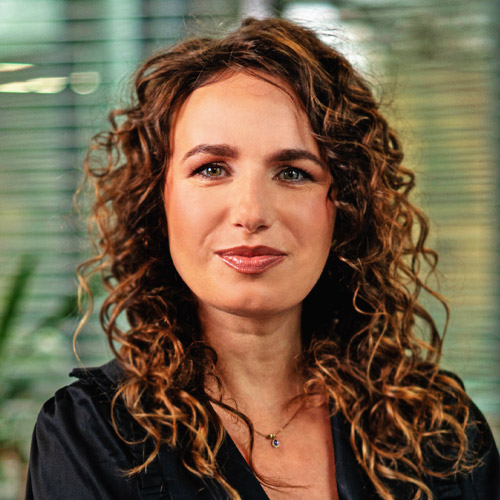
Agata Wiśniewska-Mazur
Experience
Board member of the New Mobility Association (PSNM; formerly PSPA). She is responsible for implementing key projects within PSNM, including managing of the “New Mobility” postgraduate studies program, co-organized with the Warsaw University of Technology. She coordinates the organization’s activities in the area of cooperation with local governments, aimed at reducing air pollution from urban transport and developing new mobility based on sustainable transport. She supports the introduction of low emission zones and the creation of pedestrian- and cyclist-friendly urban spaces. She holds a degree in Political Science from the University of Warsaw and a postgraduate degree in “Energy Market Operations” from the Warsaw School of Economics (SGH).
Areas of expertise
- New mobility
- Low Emission Zones
- Creating friendly urban spaces
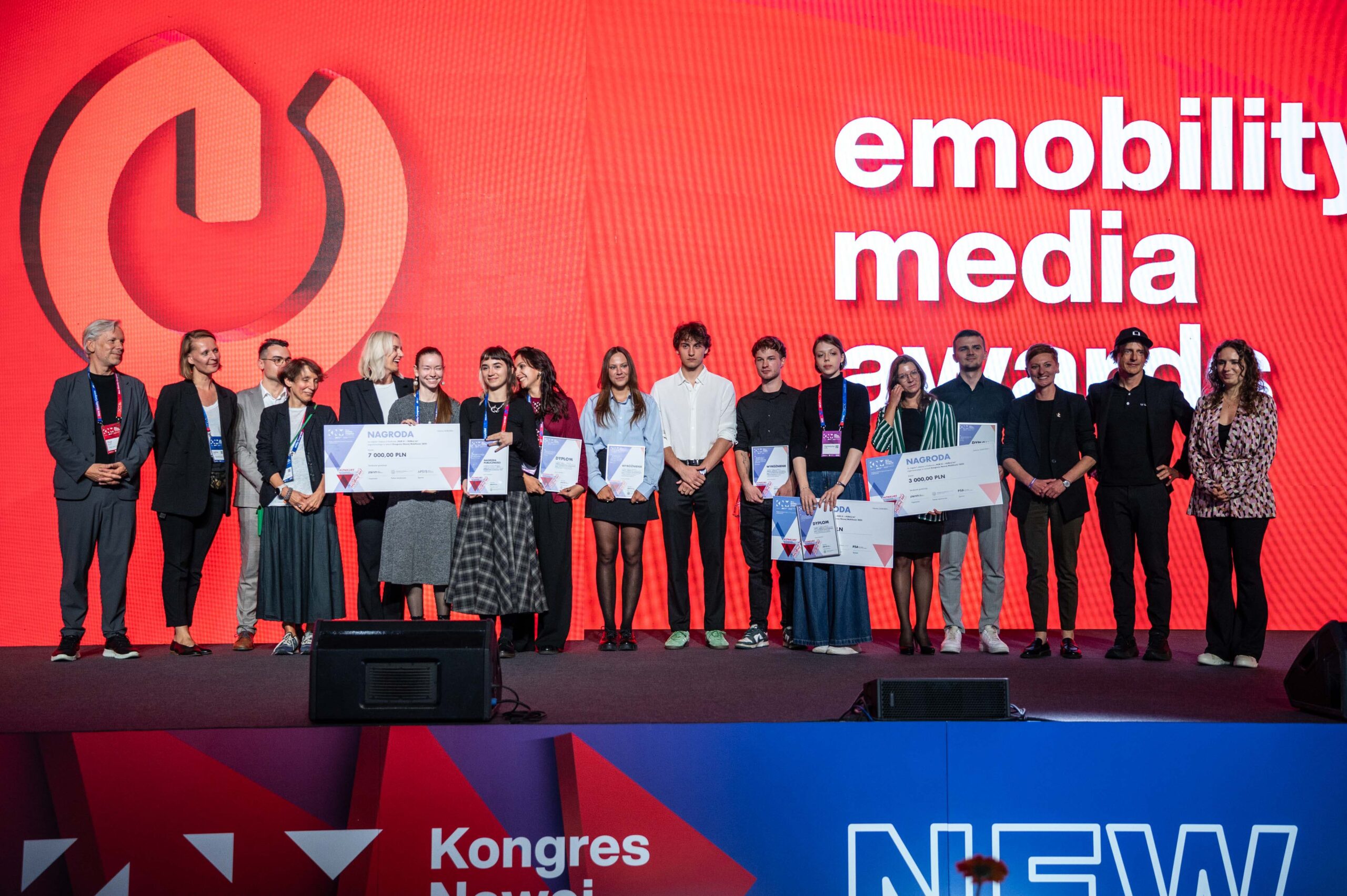
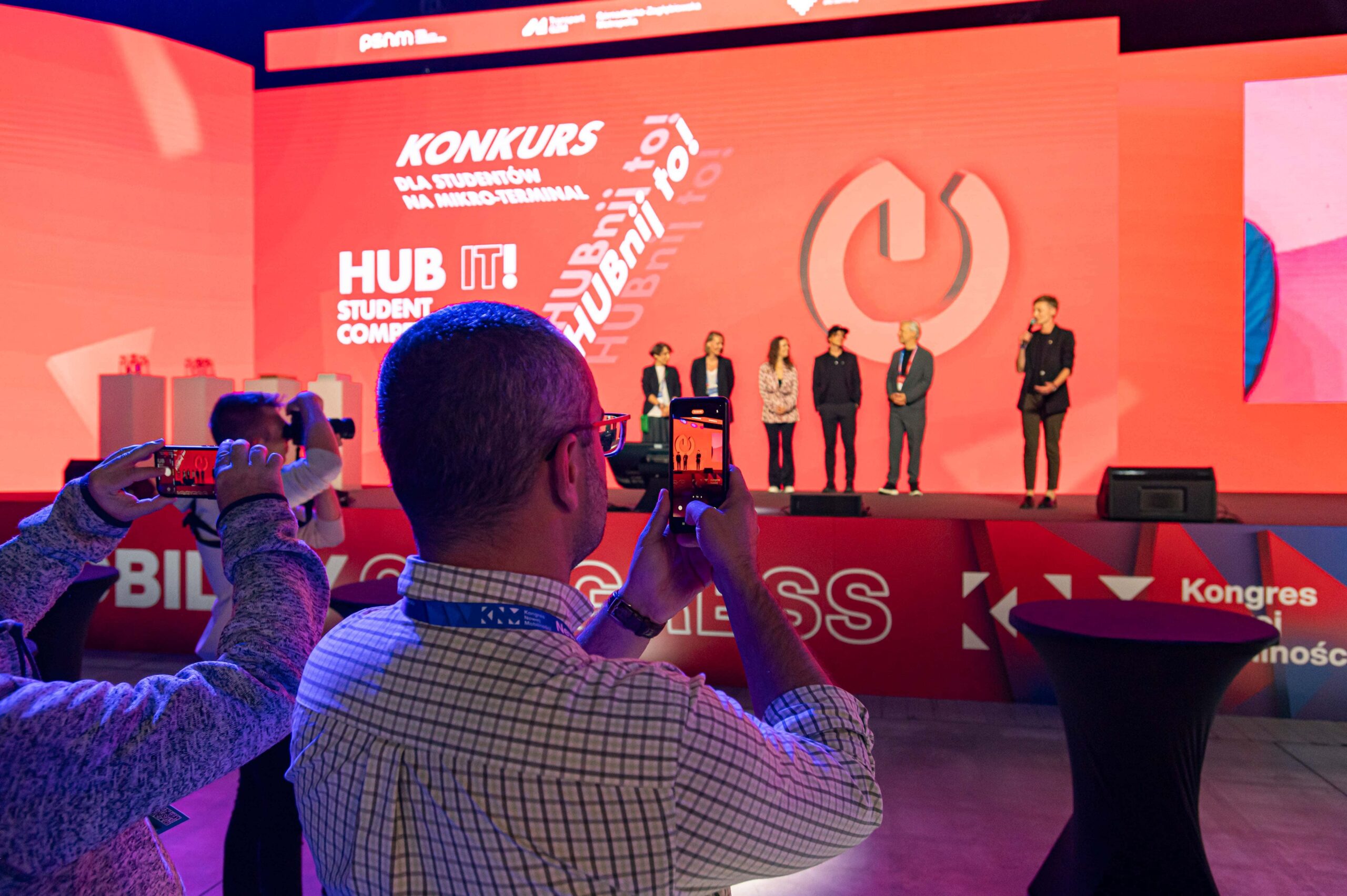
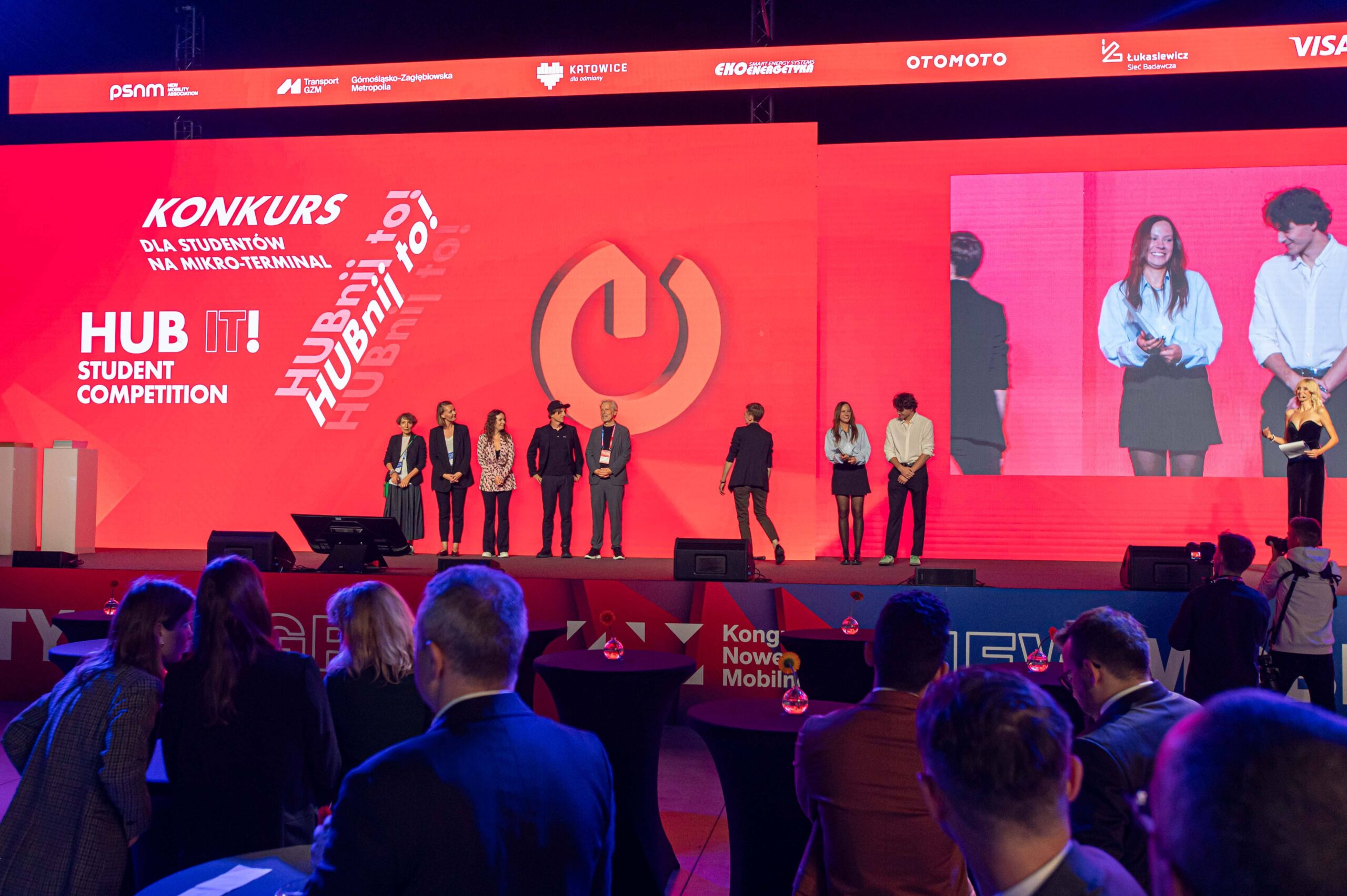
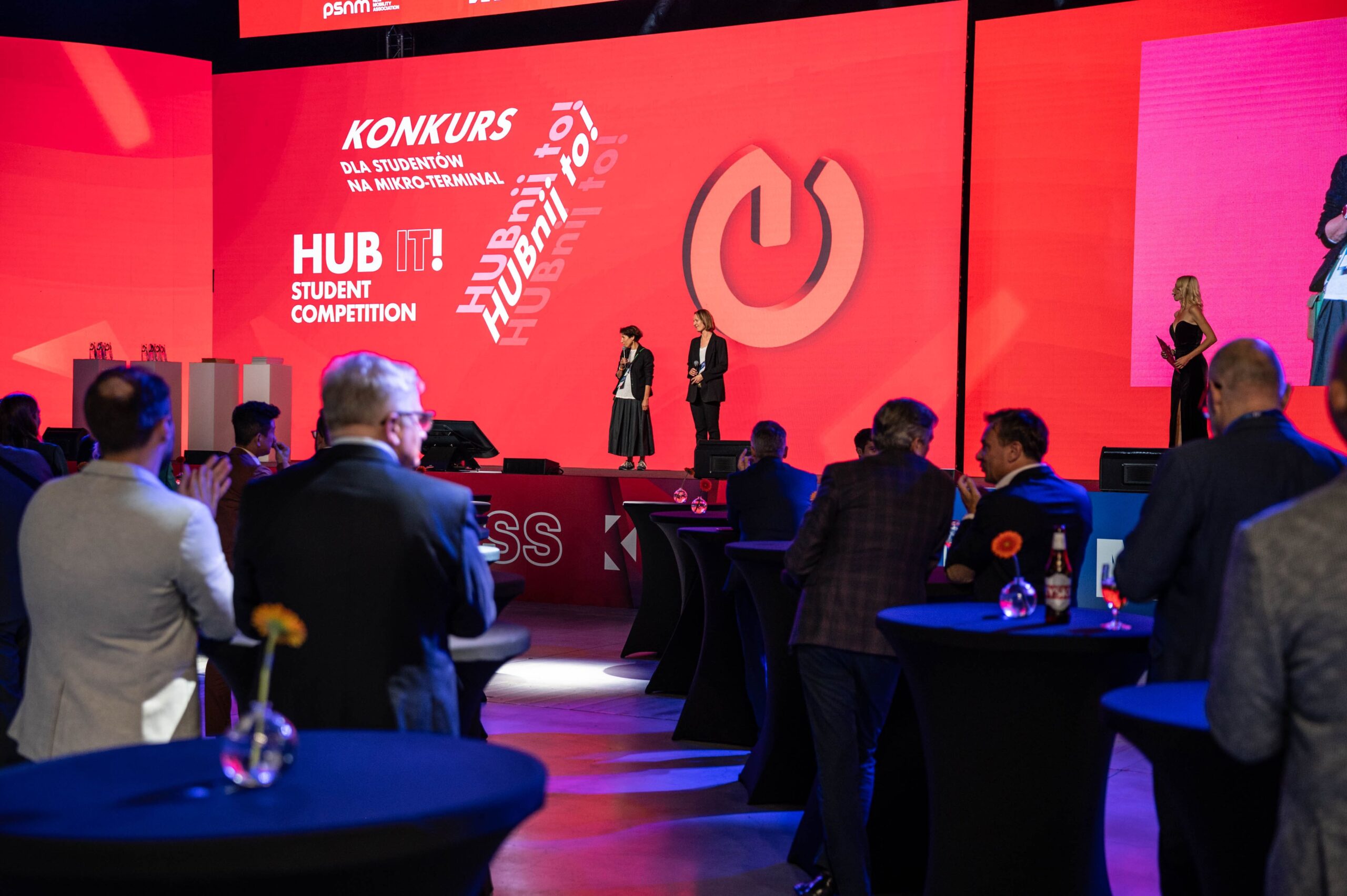
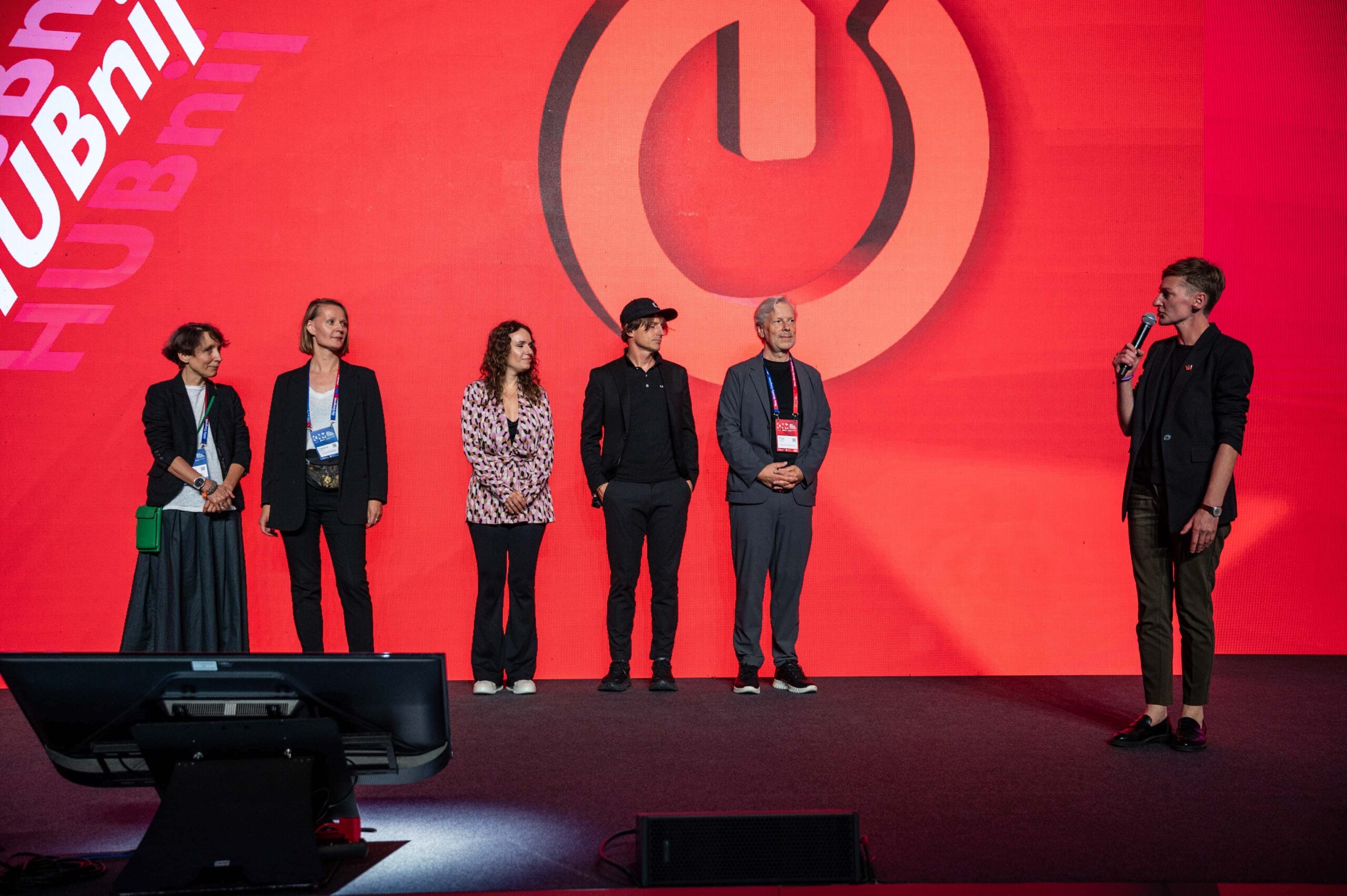
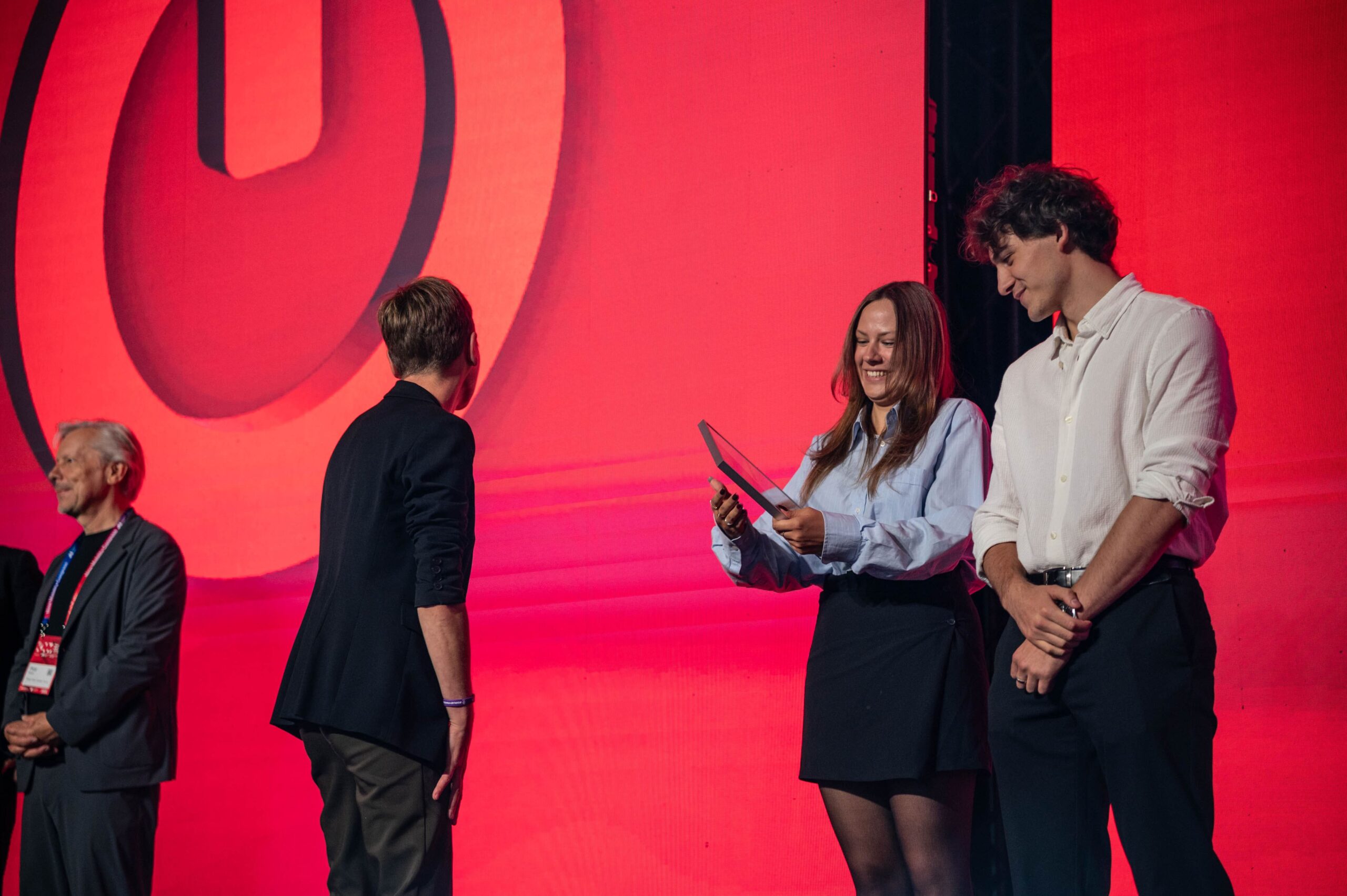
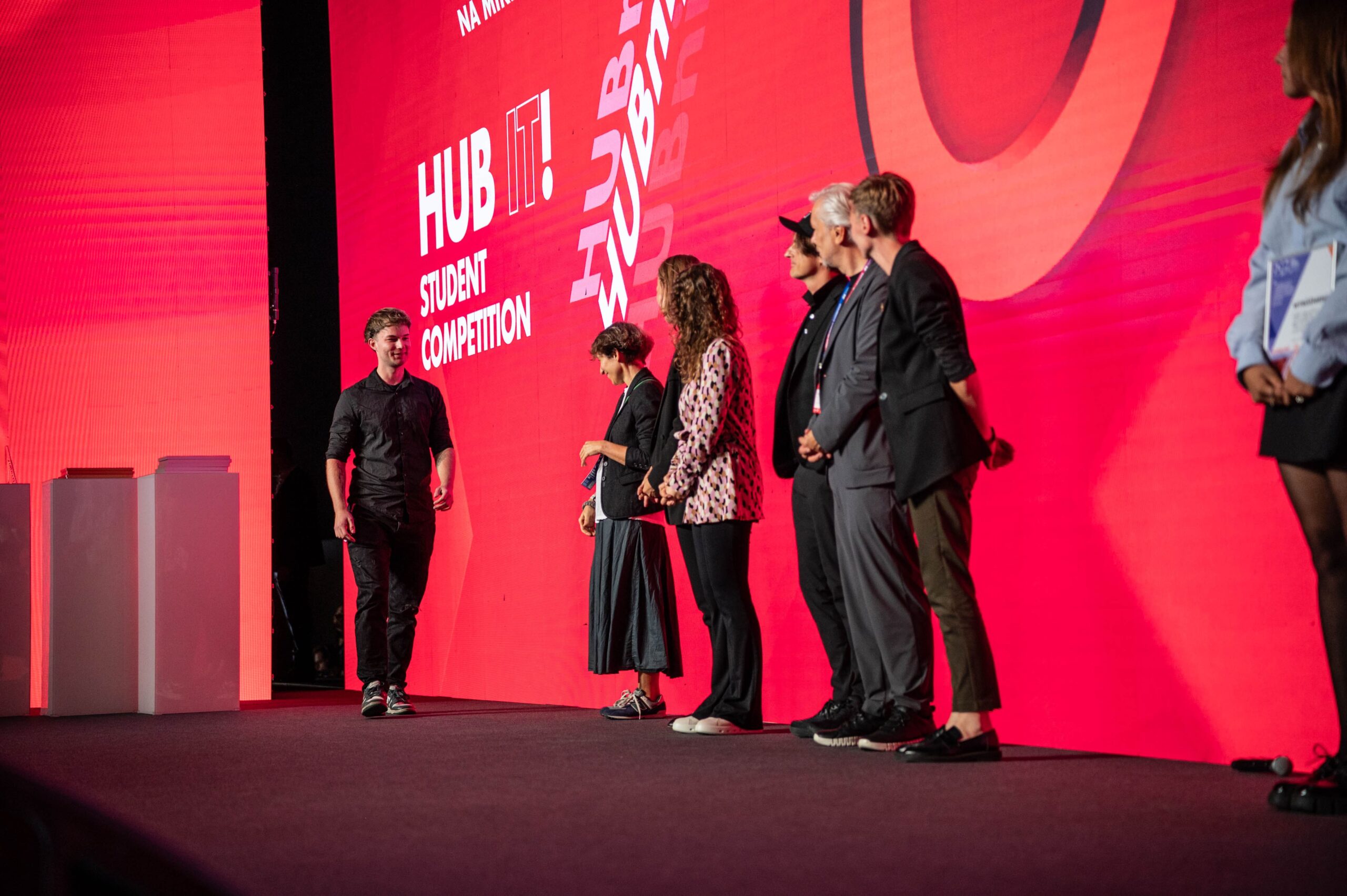
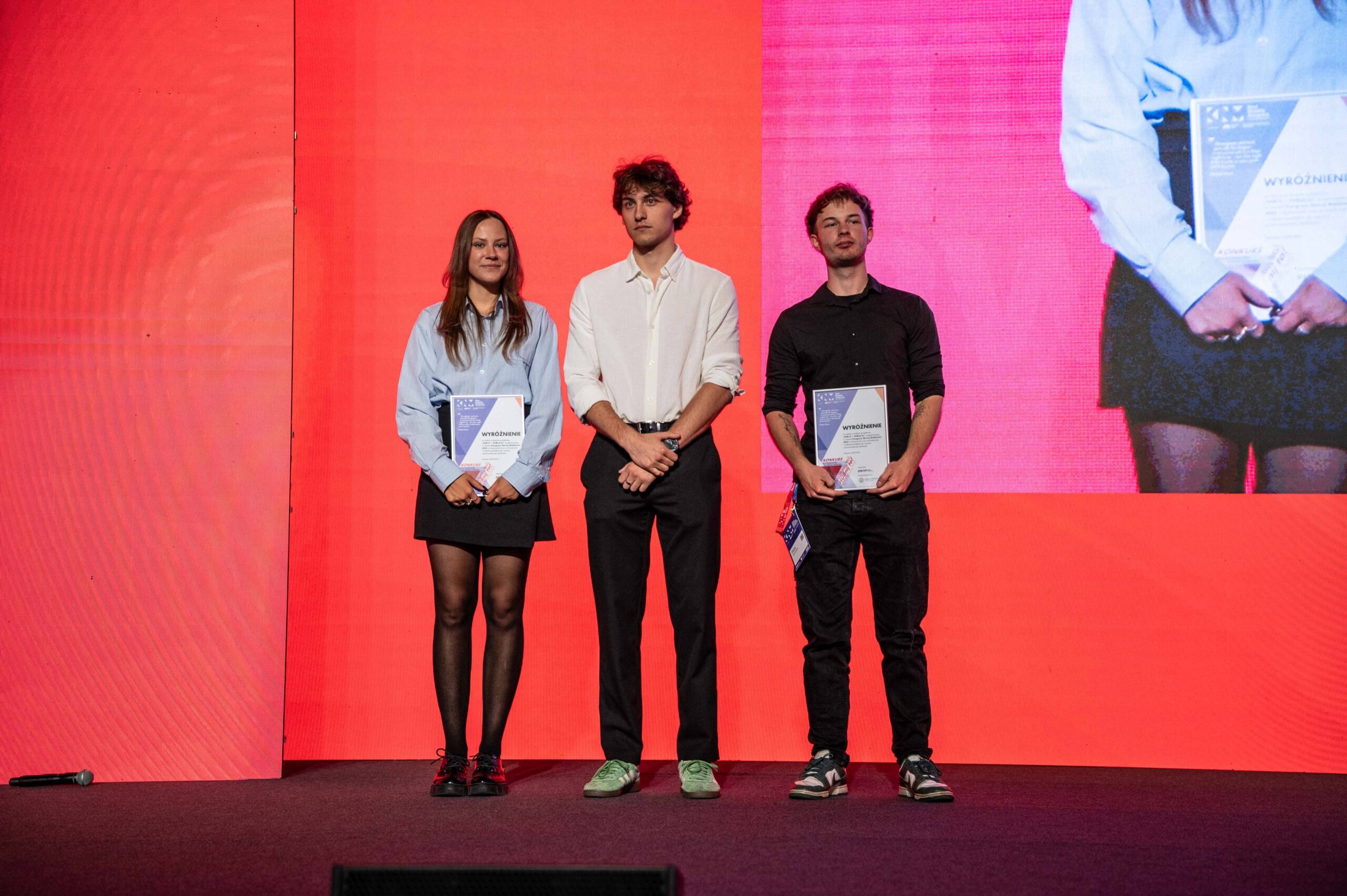
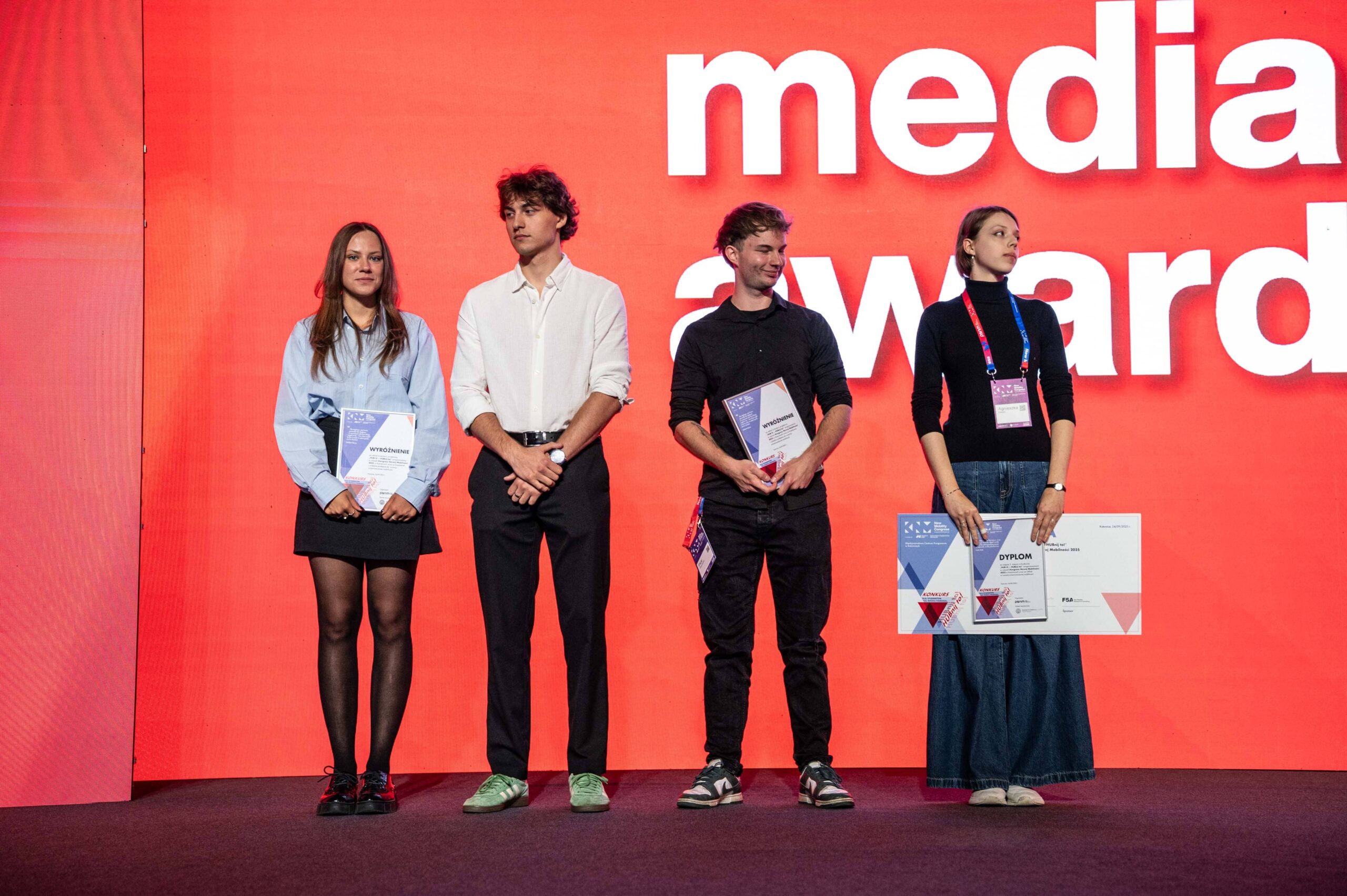
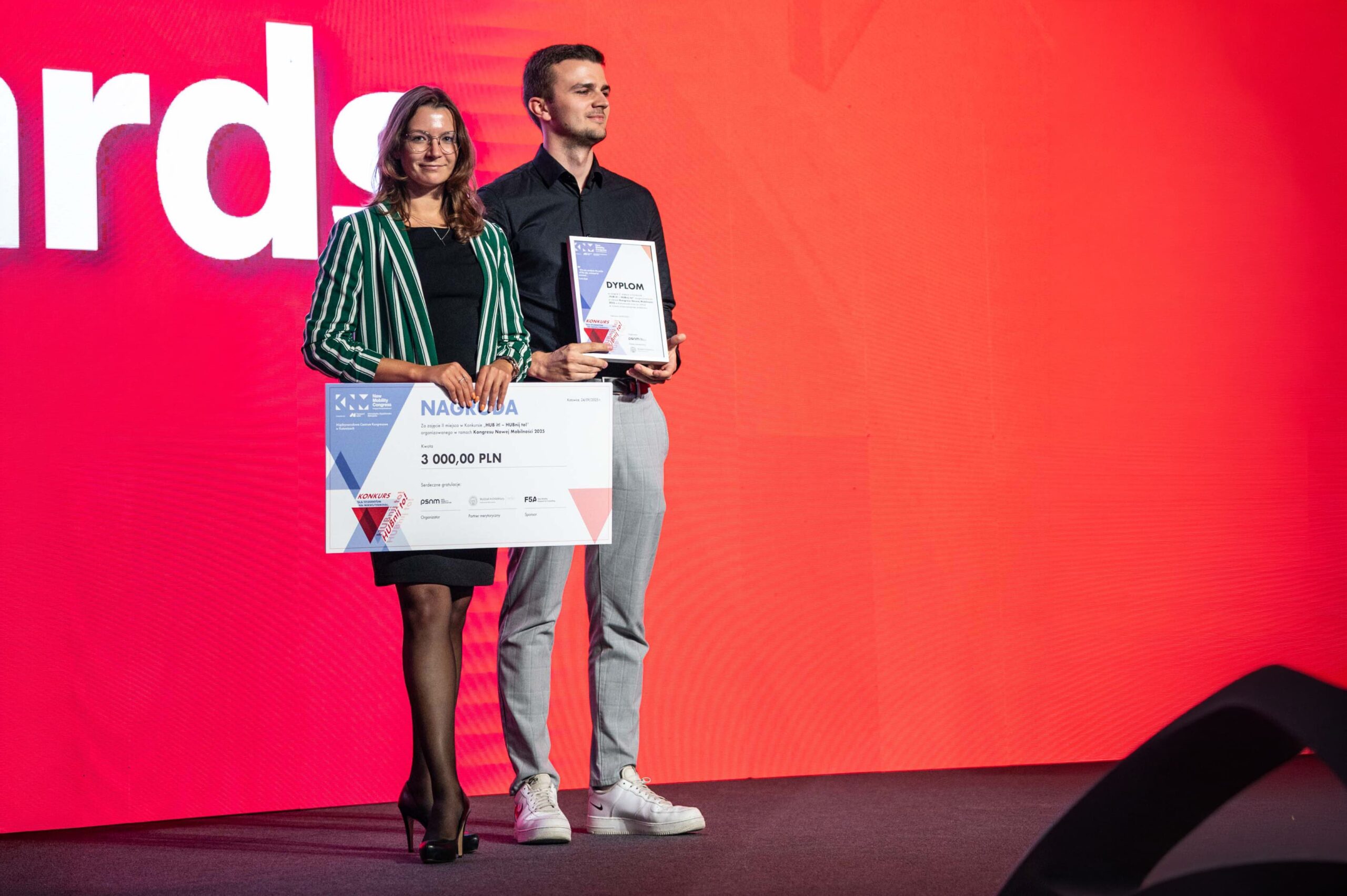
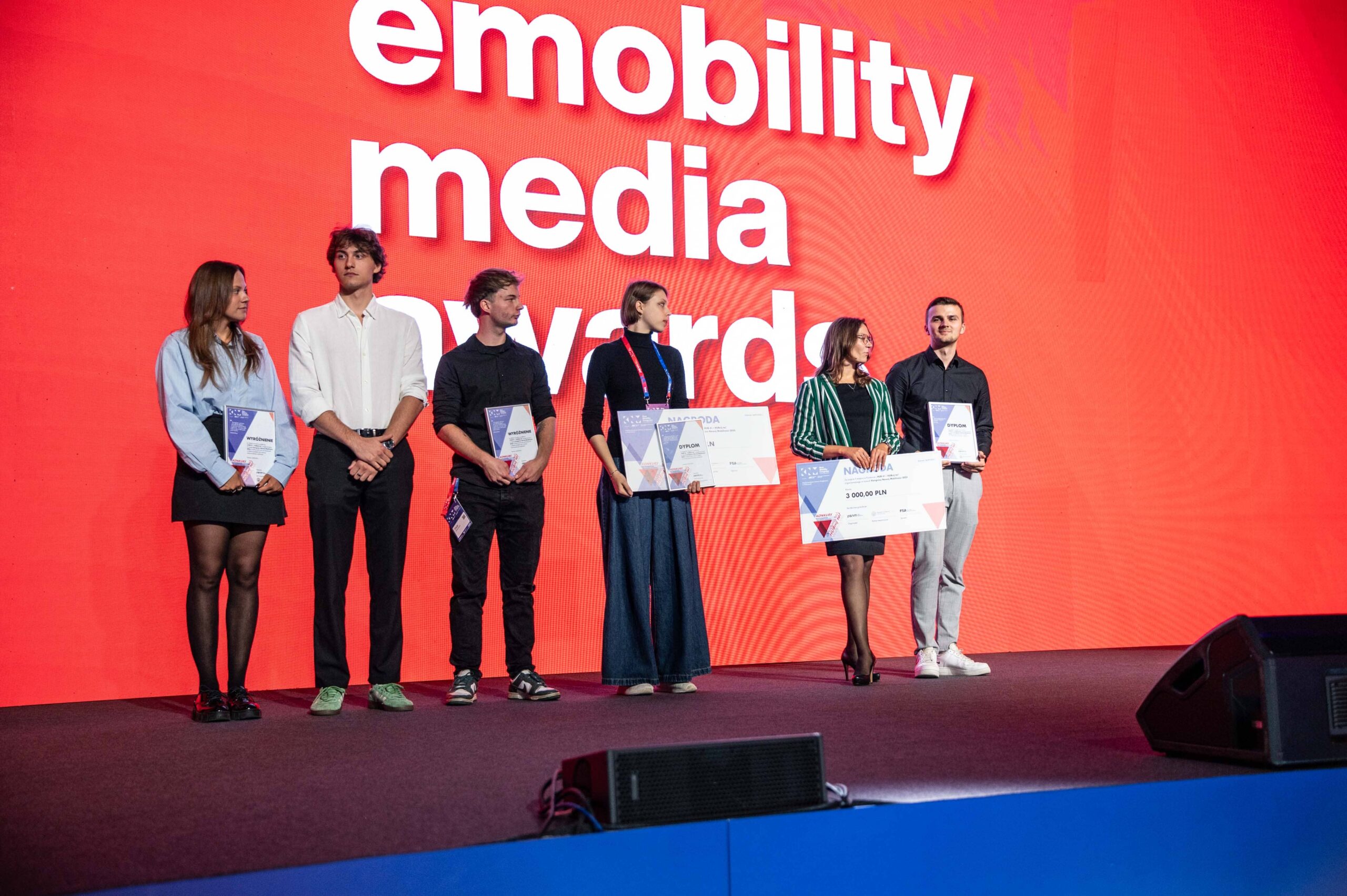
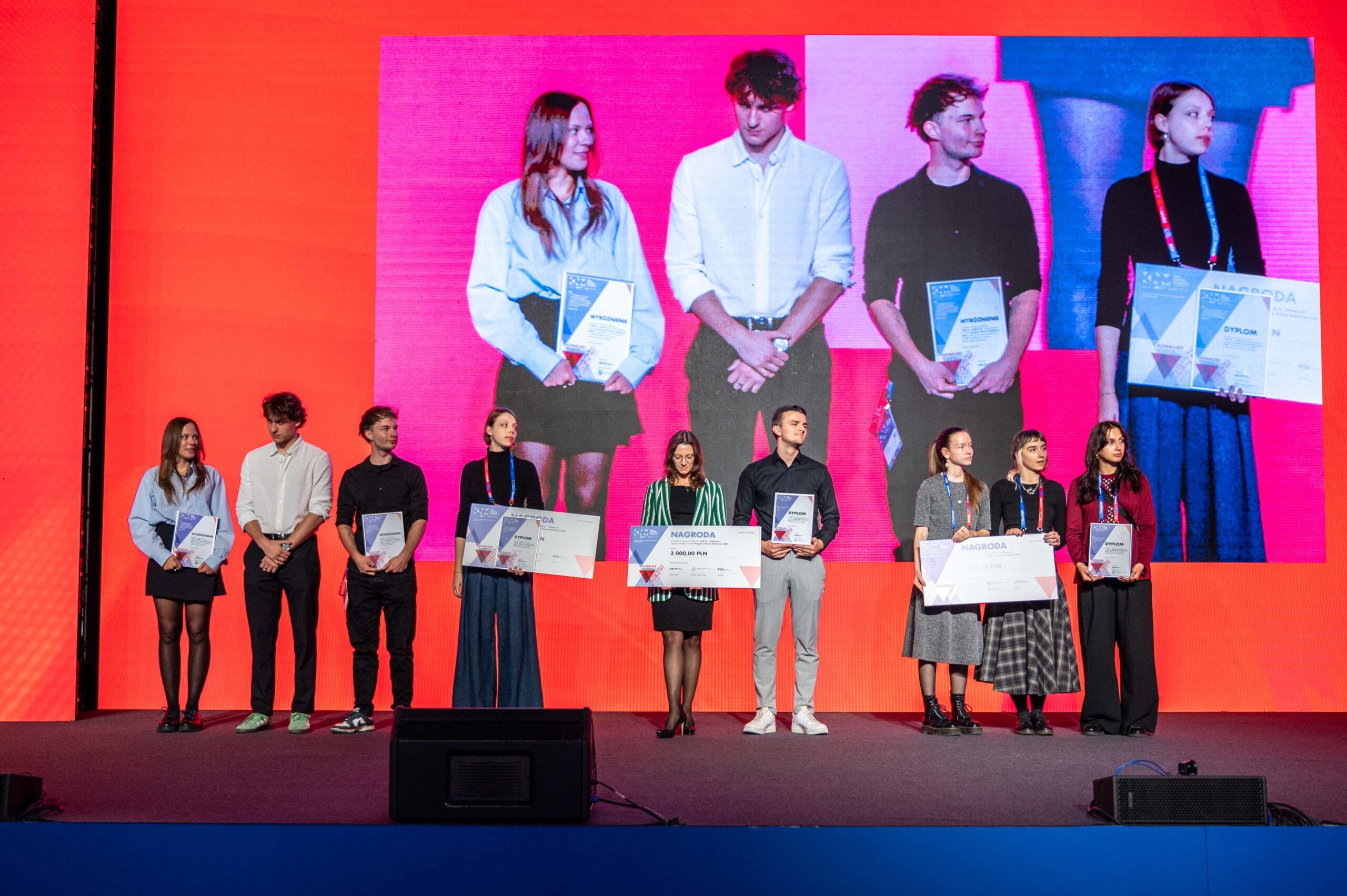
Gallery of the first edition of the competition awards ceremony
Competition Regulations
Please read the full terms and conditions of the “HUB it! – HUBnij to!” contest.
Do you have any questions?
Please contact us: